
Guidelines for the assessment and management of Huntington’s disease.
These clinical guidelines outline evidence-based best practice for the assessment, treatment, and long-term management of Huntington’s disease. They are designed to support healthcare professionals, caregivers, and service providers in delivering high-quality, coordinated care. The guidance covers early-stage assessment, symptom management, multidisciplinary interventions, genetic testing, access to support, and planning for advanced and end-of-life care. It aims to support consistent, person-centred care across England and Wales.
These guidelines are endorsed by the European Huntington's Disease Network (EHDN).The EHDN is a nonprofit research network committed to advancing research, facilitating the conduct of clinical trials, and improving clinical care in Huntington's disease. Some of the guidelines have been endorsed by their relevant professional bodies, and this is highlighted below.
What the guidelines cover
The recommendations include practical guidance on the following key areas of Huntington’s disease care:
-
Cognitive and behavioural changes
-
End-of-life care and advanced planning
-
Genetics and genetic testing
-
Mental health treatment and psychosocial support
-
Nutritional assessment and care
-
Occupational therapy interventions
-
Physiotherapy and mobility support
-
Social work and community services
-
Speech and language therapy
-
Management of motor symptoms and movement disorders
Who these guidelines are for
- Healthcare professionals and social care practitioners in England and Wales working with adults affected by Huntington’s disease
- Commissioners and providers of health and social care services used by people living with Huntington’s disease
-
People living with Huntington’s disease, along with their families and carers
Click on each guide to access your copy:
Cognitive changes in Huntington's disease
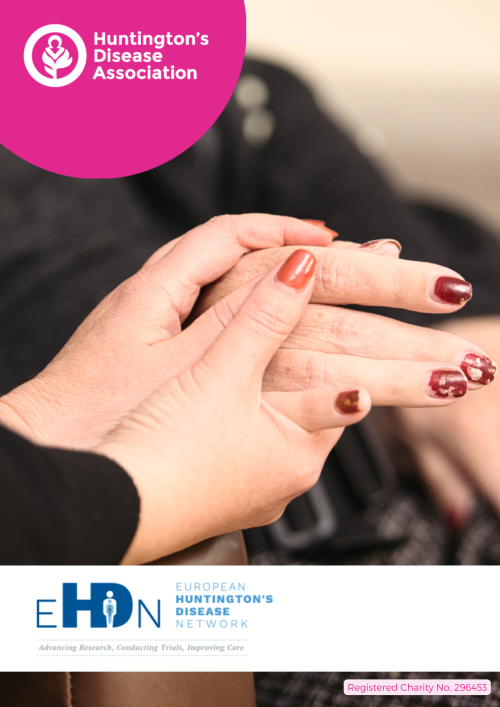
End of life care for people living with Huntington's disease

Genetics and genetic testing in Huntington's disease

Mental health treatment and support for adults who have Huntington's disease
Nutritional care for people living with Huntington's disease
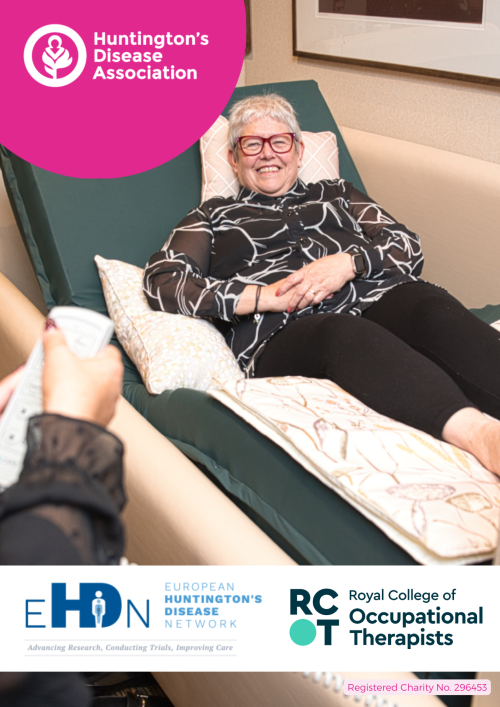
Occupational therapy for people living with Huntington's disease
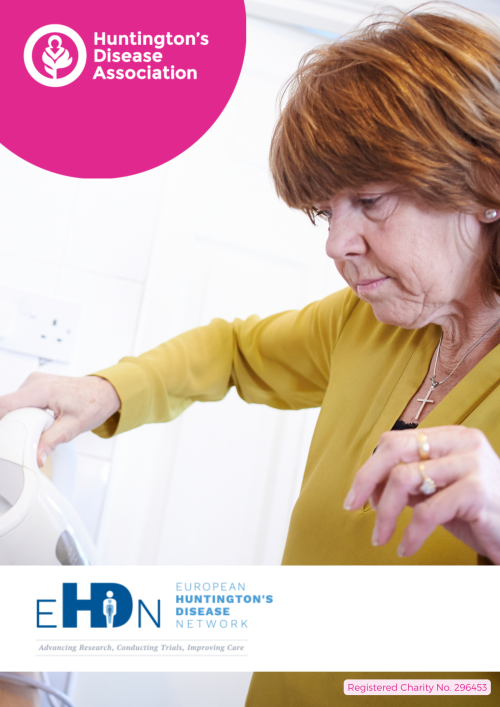
Physiotherapy for people living with Huntington's disease
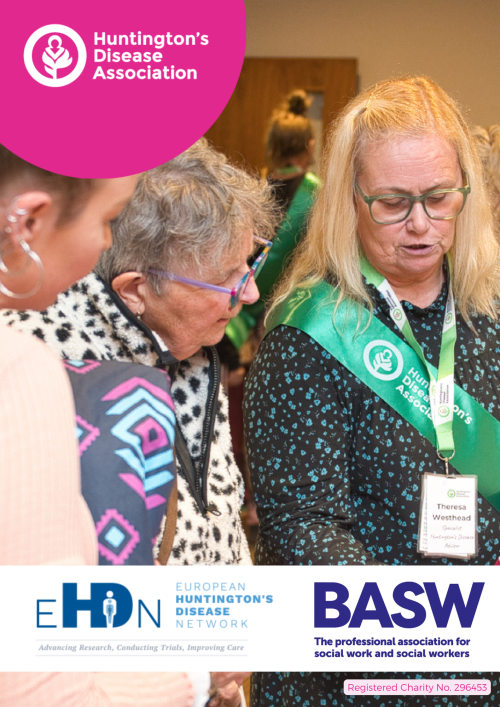
Social work with adults living with Huntington's disease
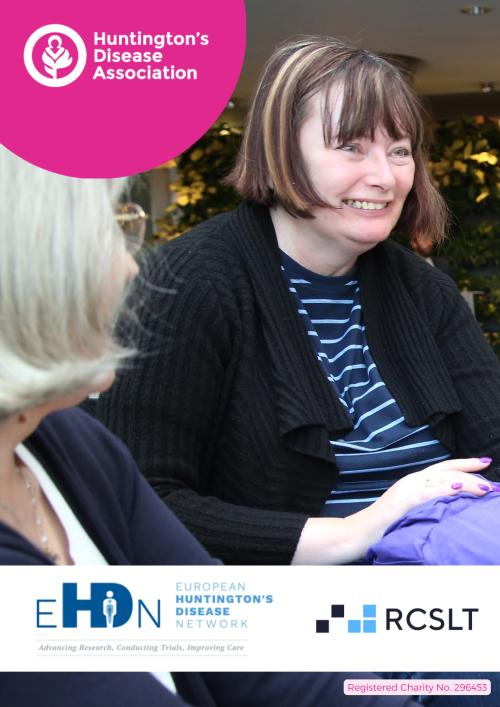
Speech and language therapy for people who have Huntington's disease