This webinar explores the role of palliative care in supporting people living with Huntington’s disease at all stages of the condition.


Palliative care is often misunderstood and is commonly associated only with the final stages of life. In reality, it focuses on improving quality of life and supporting people and families throughout all stages of the disease.

In this session, we will:

  • Explore how palliative care can support people with Huntington’s disease from an early stage
  • Discuss common misconceptions about palliative care
  • Consider approaches to symptom management and emotional wellbeing
  • Look at planning for the future and support for families

This session is open to:

  • People living with Huntington’s disease
  • Family members and carers
  • Health and care professionals supporting those affected

Book your place

Read about how early palliative care can help

Meet the speakers:

Dr Emily Audet - Specialty Trainee Doctor in Palliative Care with General Internal Medicine
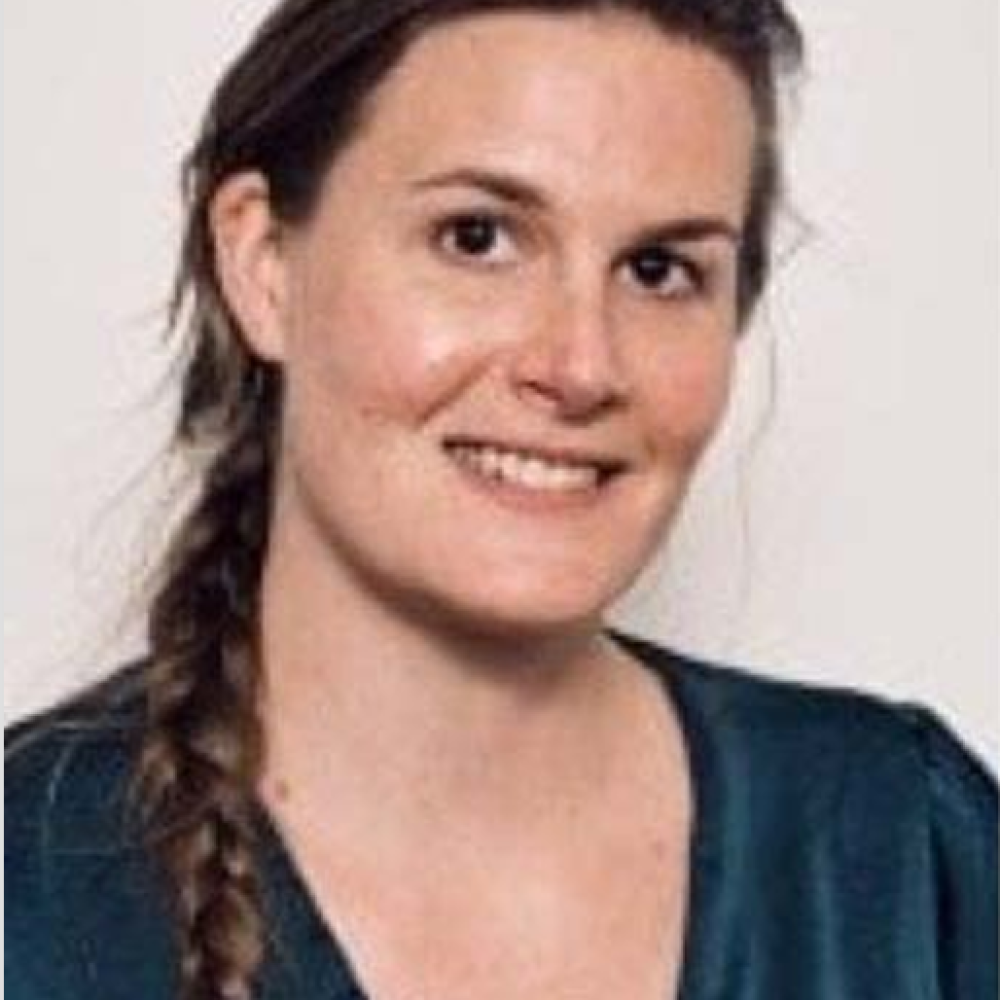
Dr Audet is currently based at Severn Hospice, where she has been developing her expertise in complex symptom control and support for people impacted by terminal illness. Previously, Dr Audet was a Clinical Fellow to the Chief Inspector of Healthcare at the Care Quality Commission on the National Medical Director’s Clinical Fellowship Scheme run by the Faculty of Medical Leadership and Management. Dr Audet has also co-founded the Next Generation Advisory Panel for the BMJ and IHI’s International Forum on Quality and Safety in Healthcare, alongside co-founding and co-chairing the multiprofessional and multinational Aspiring Leaders in Healthcare Network.
Dr Emily Audet

Christine Novelli - Community Development Consultant
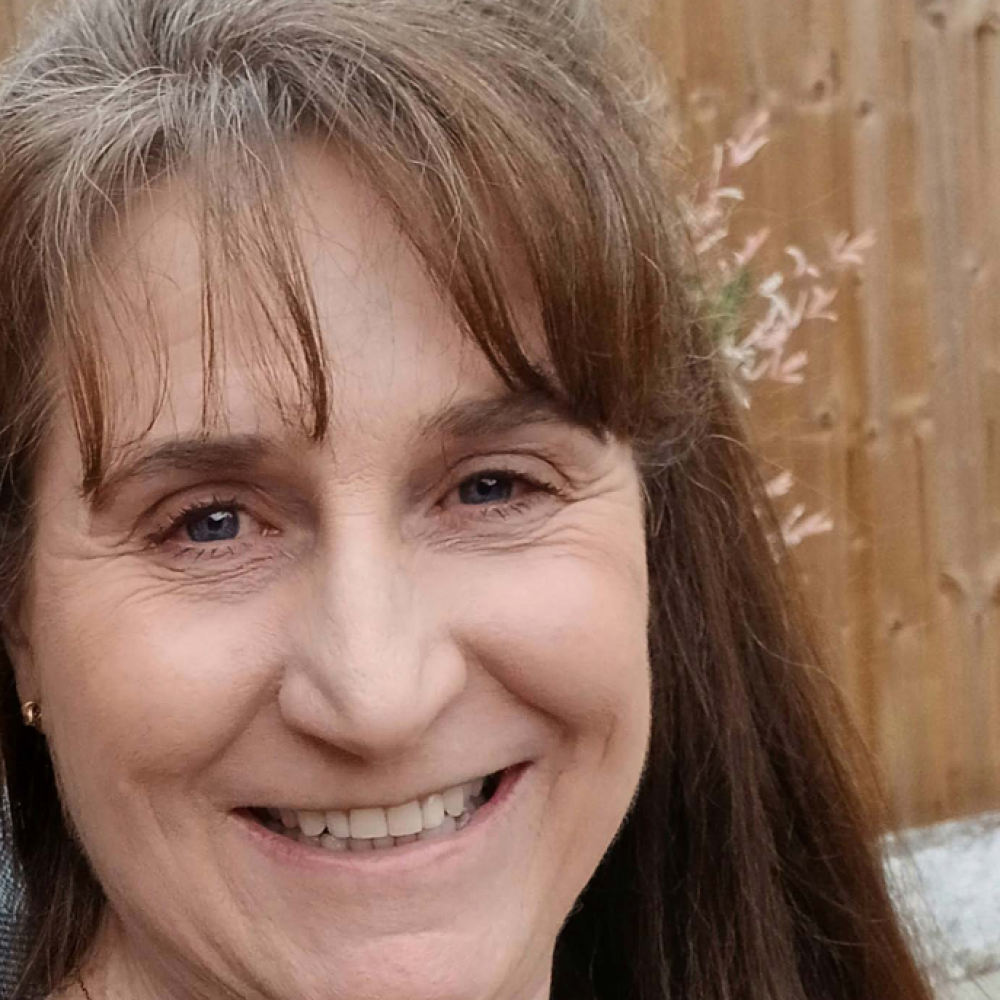
Christine comes with over 30 years experience in community development, working across various sectors including the voluntary sector, public health and healthcare. Her speciality has been empowering people to improve their health and wellbeing through engagement and community cafes, mobilising volunteers, increasing social interaction and partnering with a range of specialist services to bring information and opportunity to patients, carers and the general public. She has led a number of projects on frailty, bereavement and end of life conversations.
Christine Novelli